Dystopien.de
Dystopie ist kein Genre. Es ist eine Diagnose.
Kritisch, aber mit Blick nach vorn.dystopien.de analysiert Literatur, Games und Film aus der Perspektive gesellschaftlicher Entwicklung. Wir verstehen Dystopien als kulturelle Seismografen unserer Zeit.
Neu im Magazin
- Die Abschaffung der Arten: Wenn die Tiere übernehmen, was wir hinterließen
 dystopien.de · Buch · Die 30 besten deutschsprachigen Dystopien · Posthumanismus · Evolution · Dietmar Dath Die Abschaffung der Arten. Es gibt Bücher, die man liebt, und Bücher, die man bewundert, und dann gibt es die seltene Sorte, die man beides zugleich tut, und sich dabei fragt, ob man sie überhaupt mag. Dietmar Daths „Die Abschaffung der Arten” von 2008 ist ein solches Buch. Ein gewaltiger, überbordender, streckenweise größenwahnsinniger Roman über eine Welt, in der die Menschheit verschwunden ist und… Weiterlesen: Die Abschaffung der Arten: Wenn die Tiere übernehmen, was wir hinterließen
Literatur
Romane zwischen Überwachung, Identitätsverlust und Systemkritik.
-
Gläserne Bienen: Die perfekte Maschine und der Mann, der nicht mehr hineinpasst

dystopien.de · Buch · Die 30 besten deutschsprachigen Dystopien · Technik · Automaten · Ernst Jünger Gläserne Bienen. Es gibt eine Angst, die älter ist als jeder Computer und die doch mit jedem Jahr aktueller…
-
Der Orchideenkäfig: Das Paradies, das den Menschen abschafft

dystopien.de · Literatur · Science-Fiction · Transhumanismus · Künstliche Intelligenz · Herbert W. Franke Der Orchideenkäfig. Es gibt eine Frage in diesem Roman, gestellt von einem Automaten an einen entsetzten Menschen, die das ganze Grauen…
-
Die Arbeit der Nacht: Der letzte Mensch und sein zweites Ich

dystopien.de · Literatur · Isolation · Letzter Mensch · Psychohorror · Thomas Glavinic Die Arbeit der Nacht. Es gibt einen Gedanken, der jeden Menschen irgendwann einmal heimsucht, meist spät nachts, als flüchtige, schwindelerregende Vorstellung. Was…
Film & Serie
Big Brother is watching you. Und was schaust du?
-
Digger: Die Probe für den Weltuntergang, den wir längst proben (Kinofilm)
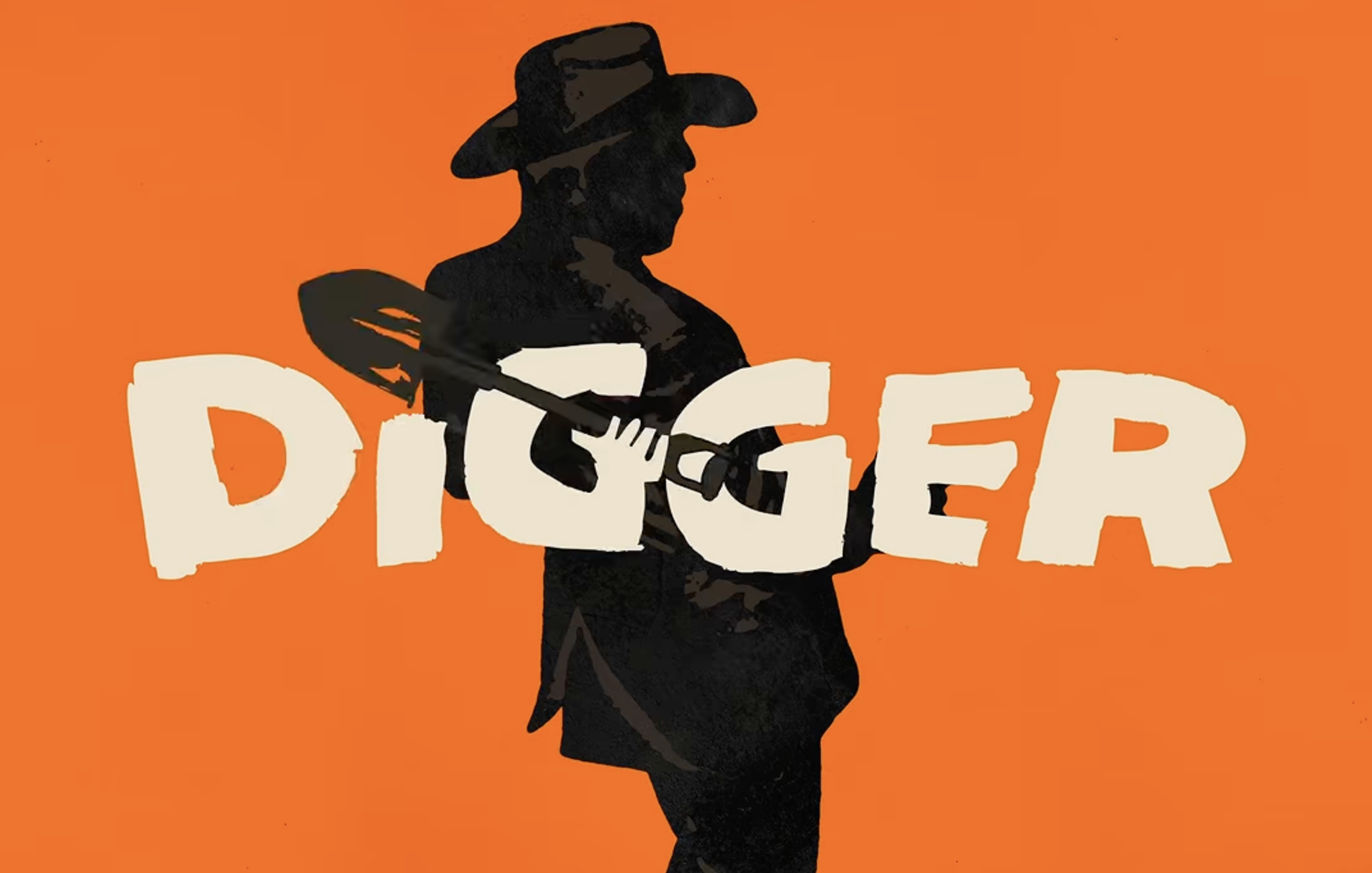
dystopien.de · Film · Digger · Klimakollaps · Satire · Theater im Film · Alejandro González Iñárritu Digger. Es gibt einen Trick, mit dem das Theater seit jeher arbeitet. Das Spiel im Spiel. Eine Bühne…
-
The Last House: Großartige Idee, aber dann fingen sie an zu drehen
dystopien.de · Film · Rezension · Alien-Invasion · Apokalypse · Louis Leterrier The Last House. Es gibt Filme, bei denen man nicht weiß, wo man mit der Kritik anfangen soll, weil so vieles falsch läuft,…
-
Black Mirror: Der dunkle Spiegel unserer selbst
dystopien.de · Serie · Übersicht · Technologiekritik · Anthologie · Charlie Brooker Black Mirror. Es gibt einen Moment, den fast jeder Zuschauer von Black Mirror kennt. Man sieht eine Folge über eine neue Technologie, über…
Games
Zocken bis zum Jüngsten Gericht. Games zwischen Realität, Fiktion und dem unausweichlichen Übel.
-
Fallout 4: Der Krieg, der niemals endet
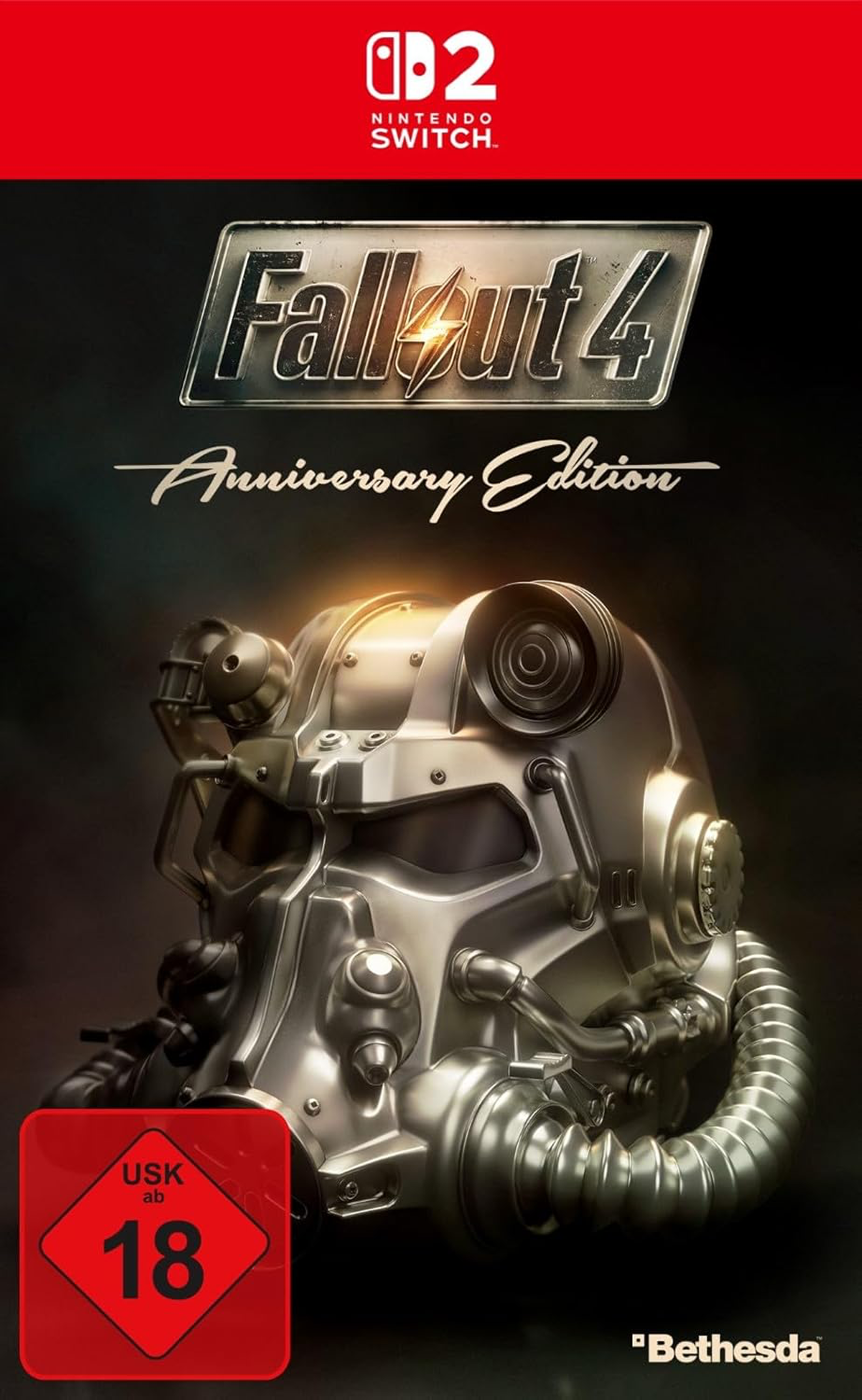
dystopien.de · Games · Postapokalypse · Atomkrieg · Gesellschaftskritik · Bethesda Es gibt einen Satz, der die gesamte Fallout-Reihe zusammenfasst, und er fällt in jedem Teil: War. War never changes. Krieg. Krieg ändert sich nie. Fünf…
-
Cyberpunk 2077: Die Dystopie, die sich selbst bewiesen hat
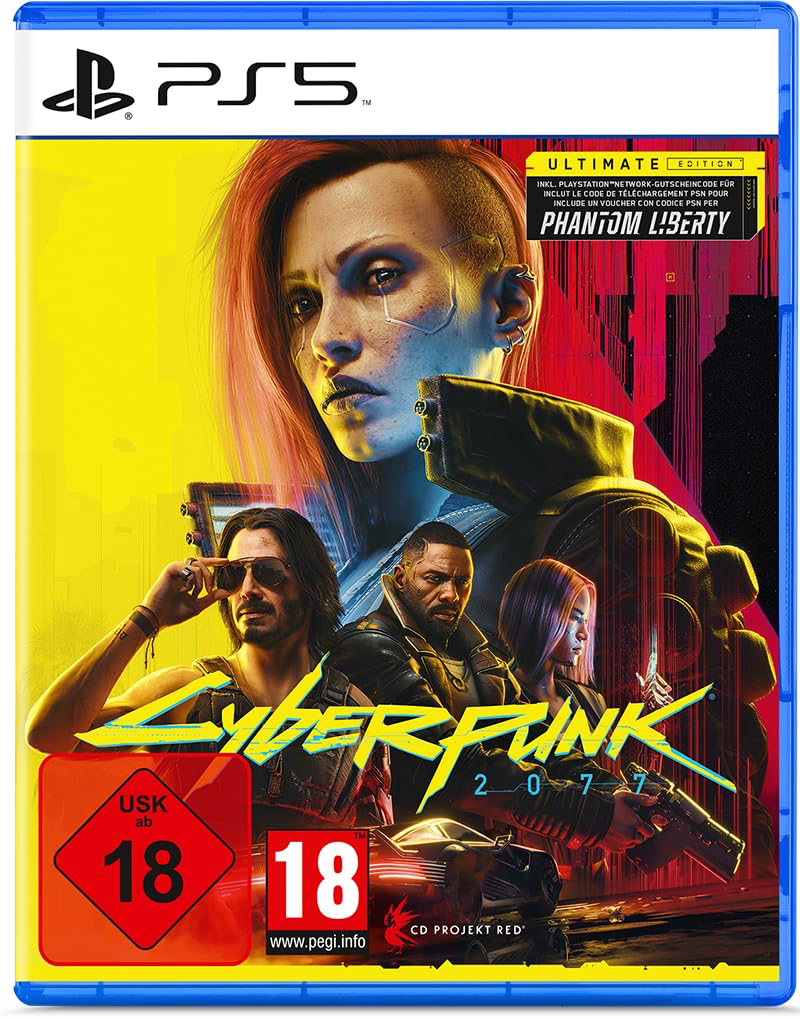
dystopien.de · Games · Gesellschaftskritik · Kapitalismus · CD Projekt Red Es gibt einen Moment in Cyberpunk 2077, der alles über das Spiel sagt — und vielleicht mehr über die Welt drumherum, als den Machern…
-
The Last of Us: Wenn Liebe zur gefährlichsten Waffe wird

dystopien.de · Spiele · PS5 / PS4 / PC · Pandemie · Moral · Naughty Dog Es beginnt mit einem Kind, das stirbt. Nicht als Einleitung, nicht als Hintergrundgeschichte – als erster Akt, direkt, ohne…
Musik
Der Soundtrack zum Untergang.
-
Depeche Mode: Die Poeten der dunklen Elektronik

dystopien.de · Musik · Synth-Pop · Dark Electronic · Sünde und Erlösung · Depeche Mode Depeche Mode. Es gibt eine seltsame Entwicklung in der Geschichte dieser Band, die ihresgleichen sucht. Eine Gruppe junger Männer aus…
-
Goethes Erben: Das Musiktheater des Todes
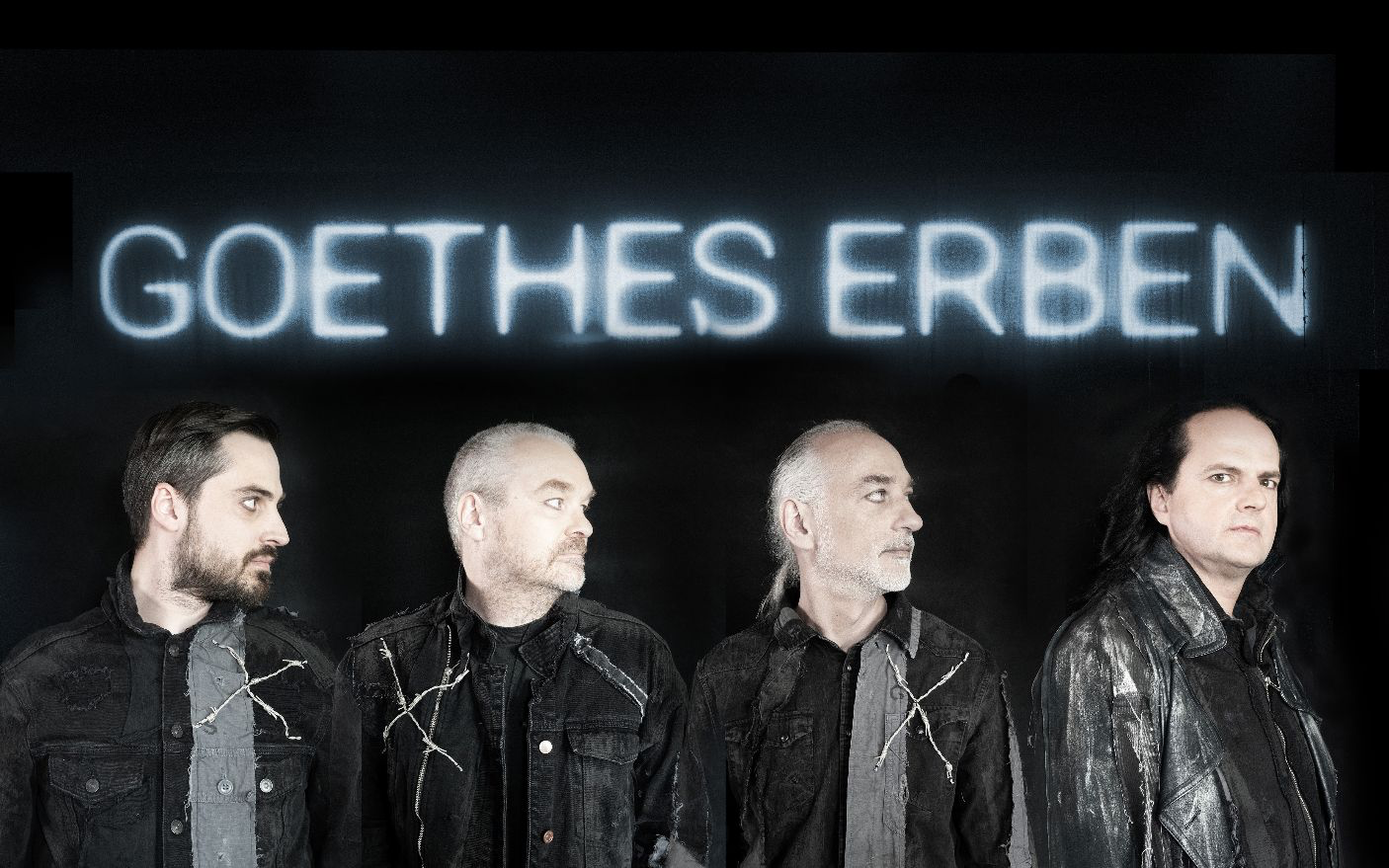
dystopien.de · Musik · Neue Deutsche Todeskunst · Musiktheater · Spoken Word · Goethes Erben Goethes Erben. Es gibt Bands, die man hört, und es gibt eine Band, der man zusehen muss, um sie ganz…
-
Skinny Puppy: Als die Musik selbst zur Waffe wurde
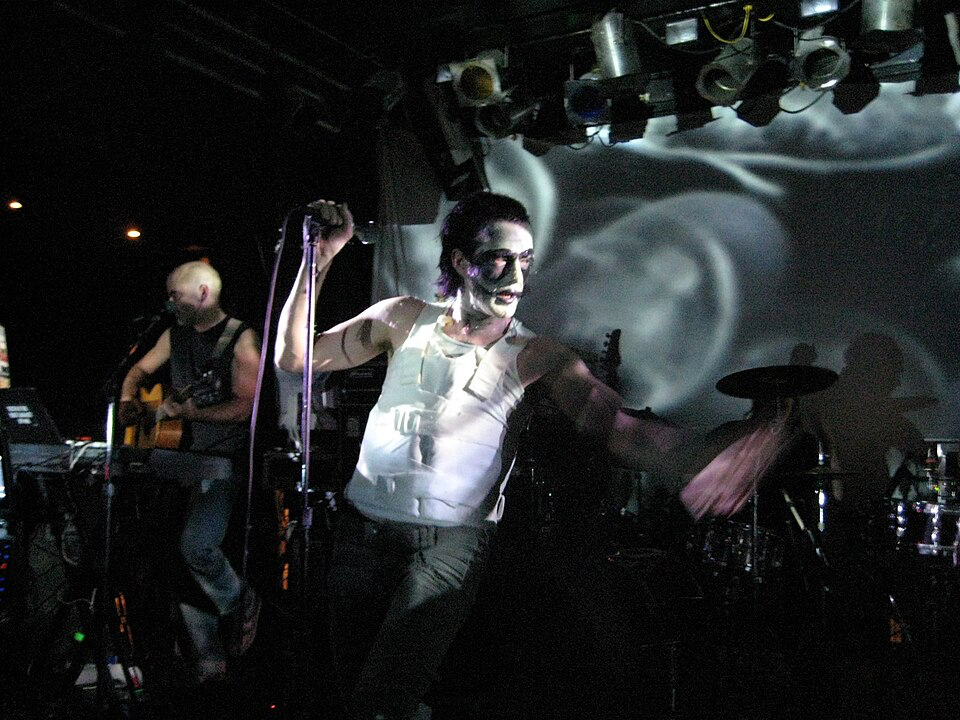
dystopien.de · Musik · Electro-Industrial · Tierrechte · Folter · Skinny Puppy Skinny Puppy. Es gibt eine Geschichte in der Welt der dunklen Musik, die so bitter, so grotesk und so dystopisch ist, dass sie…
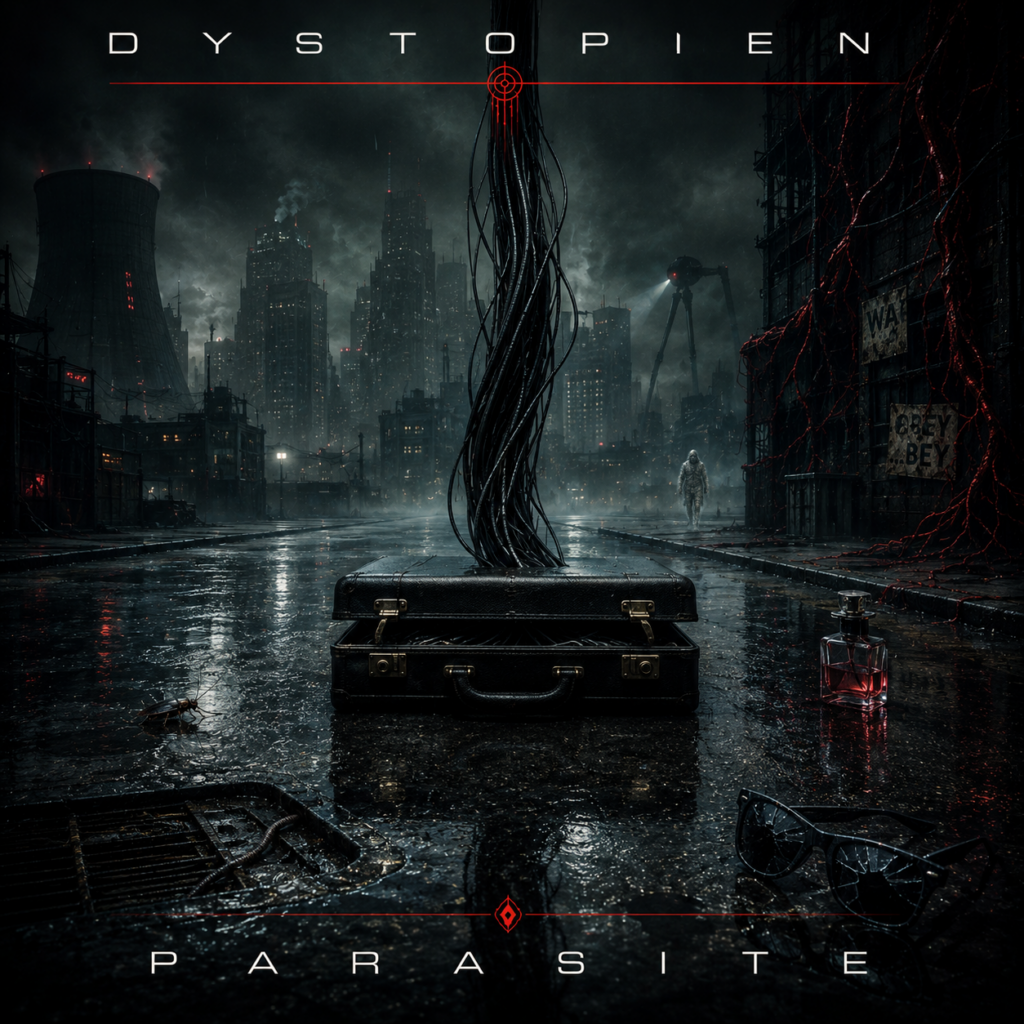
Unsere Alben
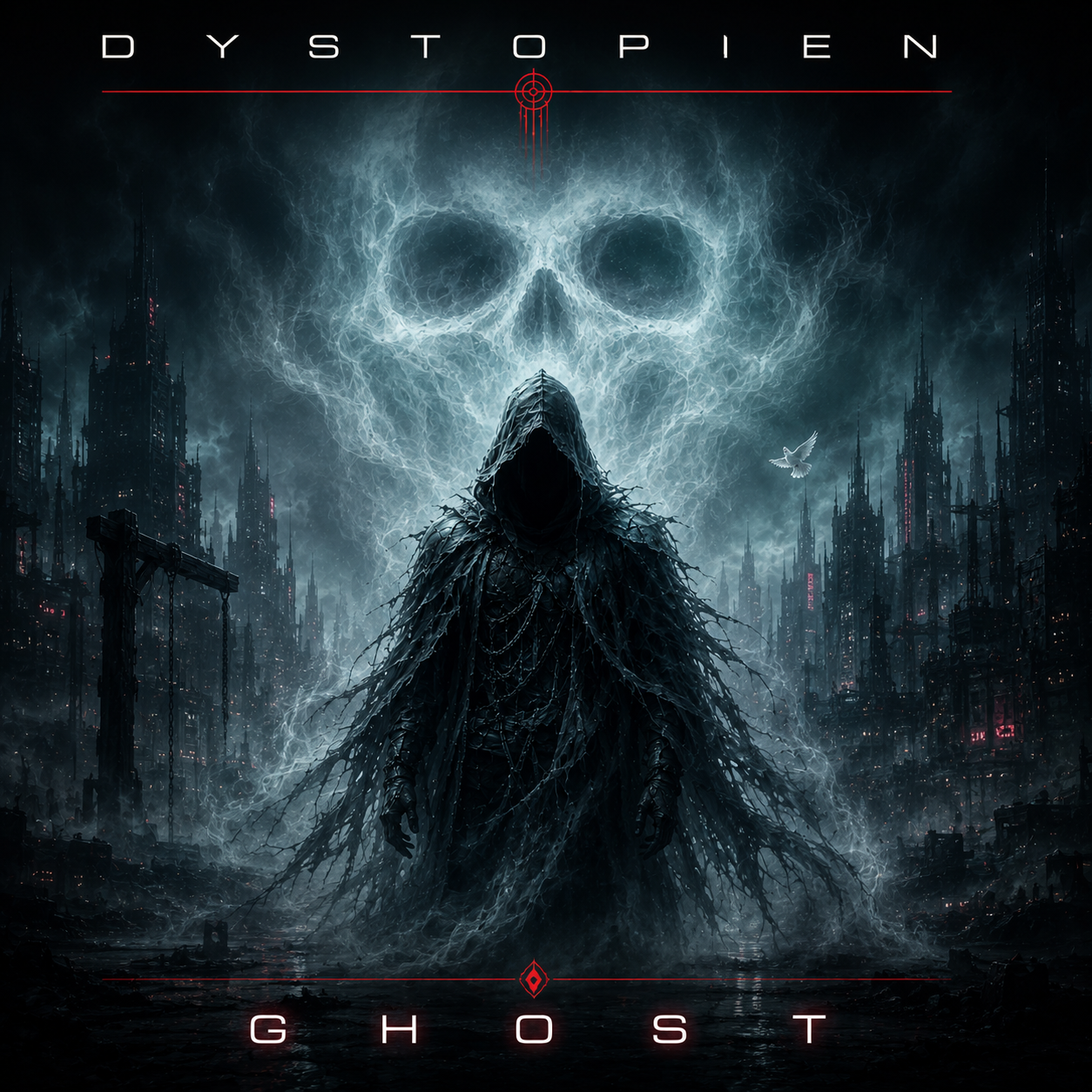
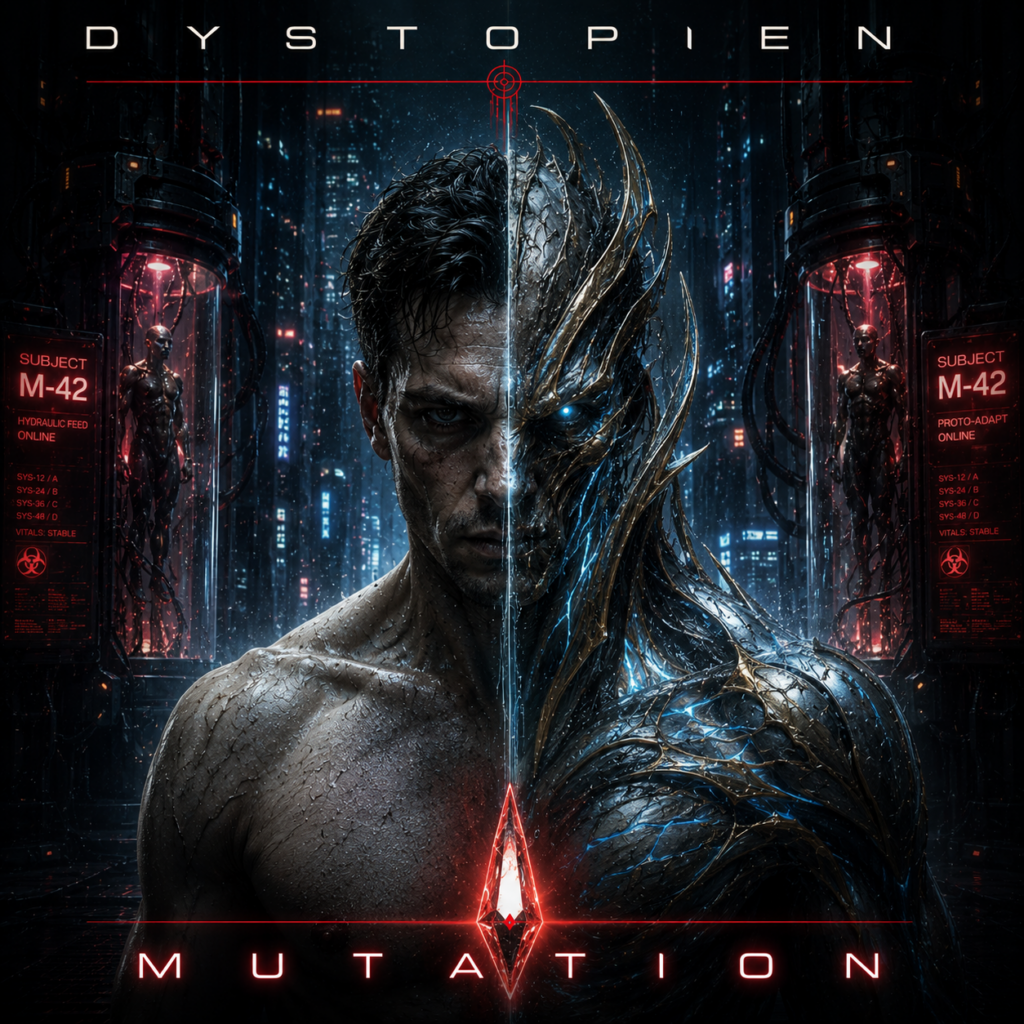
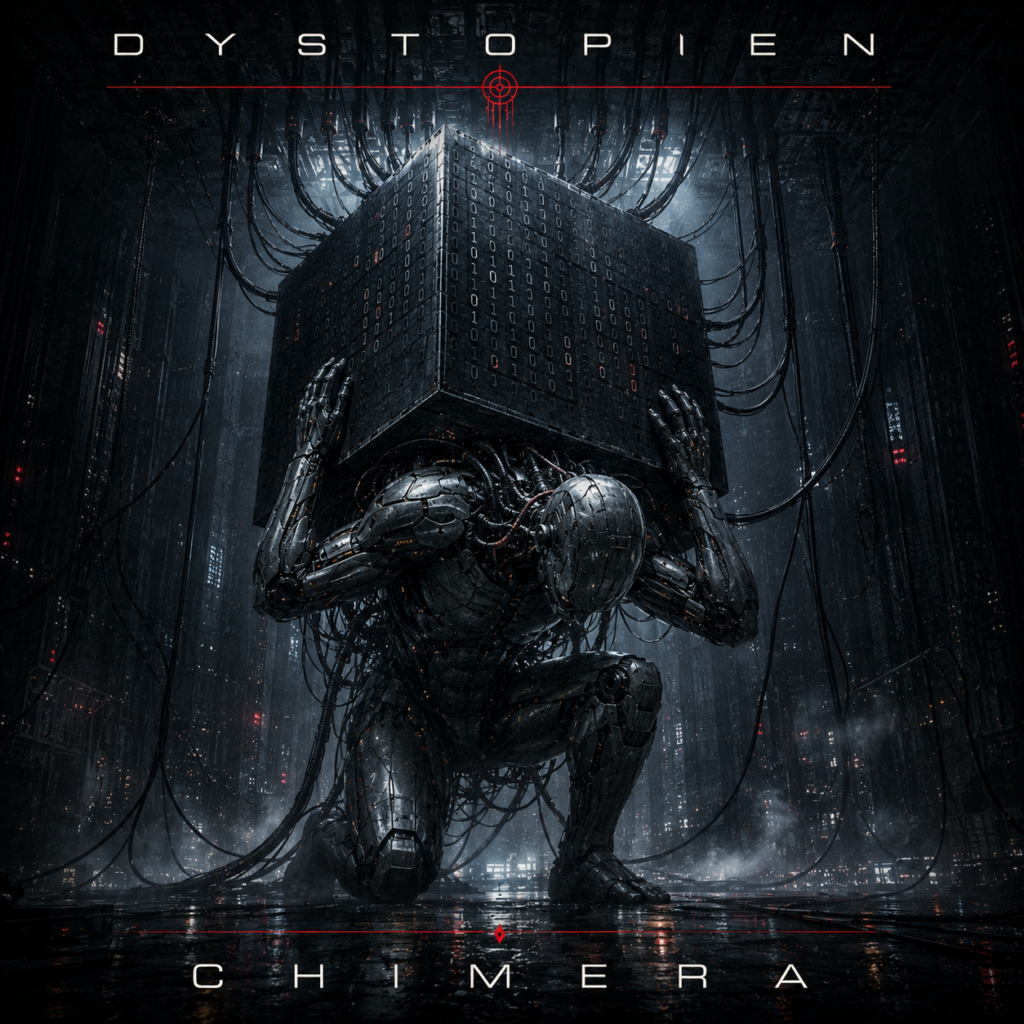
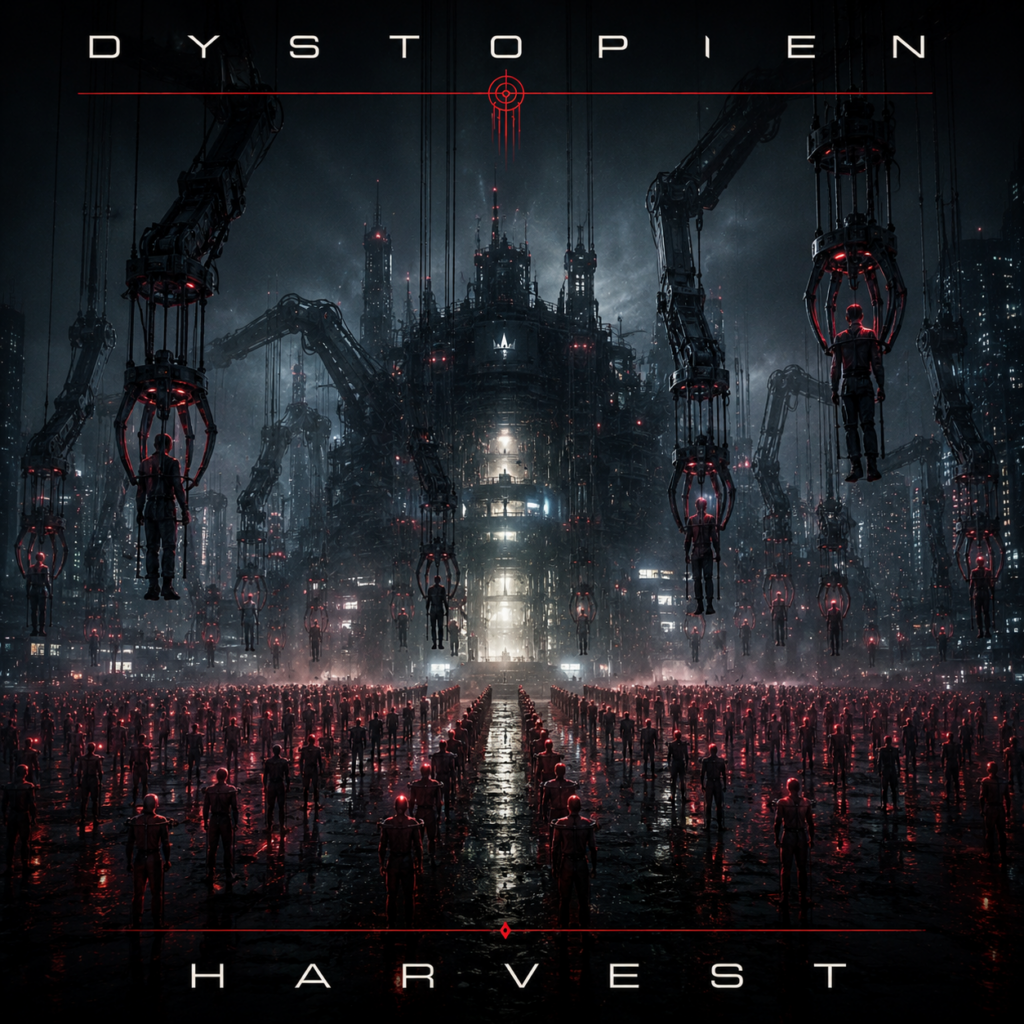
Gesellschaft
Gesellschaftsspiele, Tabletop-Games und mehr – die Zeitvertreibsektion für echte Prepper.
-
This War of Mine: Das Brettspiel — Überleben ohne Würde
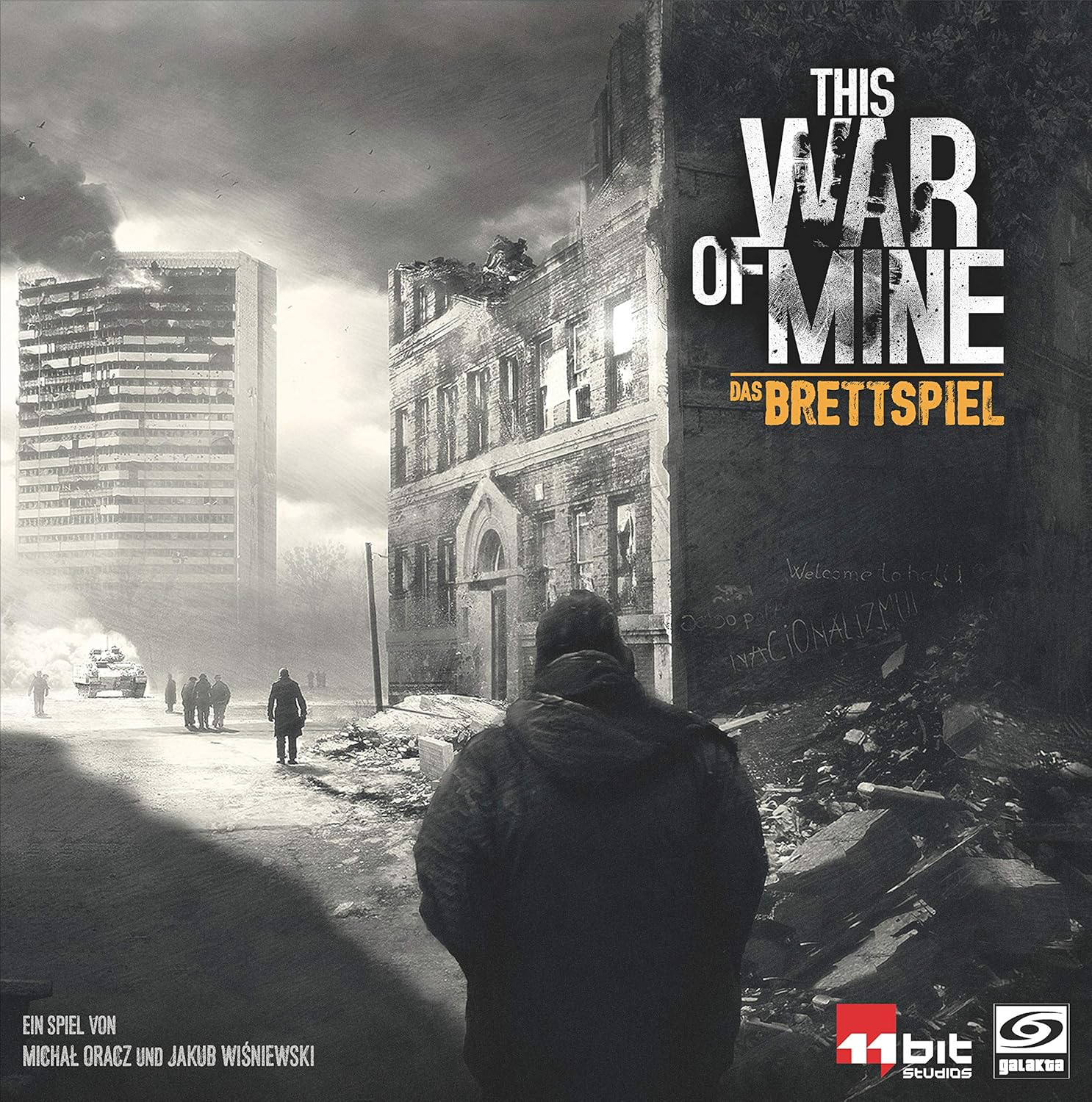
dystopien.de · Brettspiel · Gesellschaftskritik · Krieg · Zivilisten Die meisten Kriegsspiele fragen: Wie gewinnt man? This War of Mine fragt: Wie überlebt man — und was bleibt von einem übrig, wenn man es getan…
-
Pandemie: Das Brettspiel, das die Welt vorwegnahm
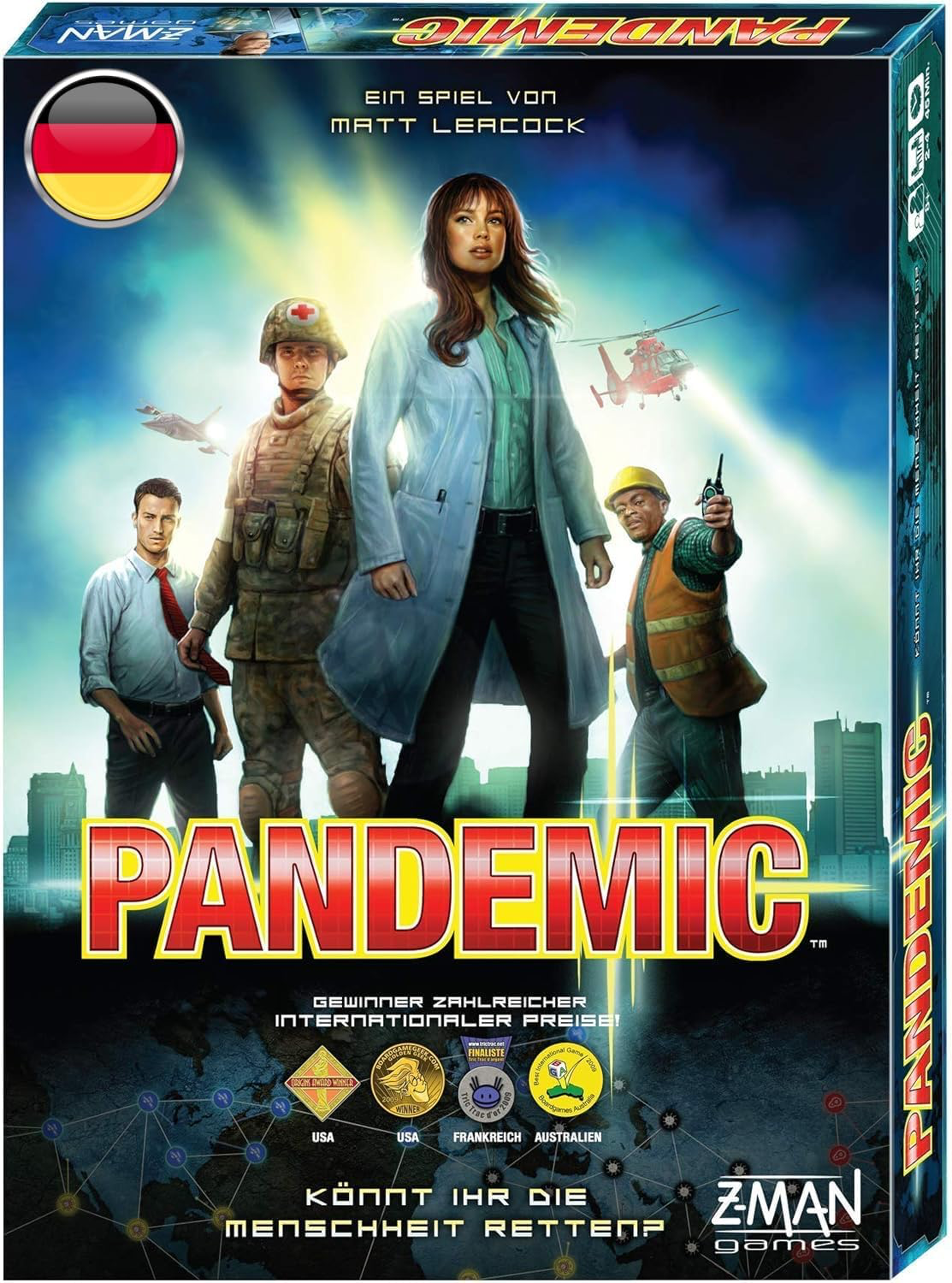
Im Jahr 2008 erschien ein Brettspiel, das Spieler dazu brachte, gemeinsam gegen unsichtbare Feinde zu kämpfen, globale Ausbrüche einzudämmen und Ressourcen so effizient wie möglich zu verteilen – in dem Wissen, dass das System jederzeit…
-
Dungeon Crawler Carl RPG – Wenn Dystopie zum Spiel wird

Mit dem Dungeon Crawler Carl RPG erhält eine der ungewöhnlichsten dystopischen Geschichten der letzten Jahre nun eine eigene Umsetzung als Rollenspiel. Die Vorlage, bekannt für ihre Mischung aus schwarzem Humor, brutaler Spielmechanik und einer bizarren Spielshow-Ästhetik, wird…
Conspiracy Explained
Dystopia is a literary genre. A thought experiment. A warning disguised as fiction.
Sometimes it stops being fiction.
This is where we document the moment dystopia became real — the movements, the beliefs, the systems that borrowed the language of science fiction and meant every word.
You recognise the story. You just didn’t expect it to leave the page.
If you like what we are doing, feel free to buy us a coffee.
- The Crusaders Who Never Died
 How the Knights Hospitaller Survived 900 Years and Quietly Became a Nation With No Land The world cannot stop talking about a ghost. The Knights Templar have been dead for seven hundred years. Destroyed by a bankrupt king, tortured into confession, burned on islands in the Seine, formally dissolved by a pope who admitted he… Weiterlesen: The Crusaders Who Never Died
 - BAPHOMET — WHY EVERYONE KNOWS SATAN LIKE THIS
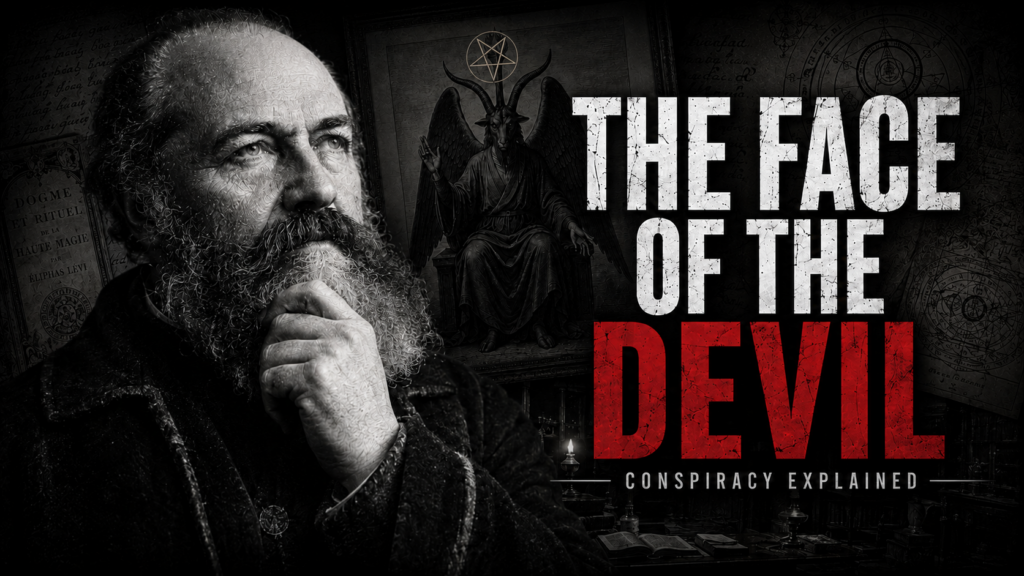 Baphomet: On a goat-headed idol that was never worshipped, drawn by a man who did not mean the Devil, and the seven-hundred-year game of telephone that turned a word for “Muhammad” into the face of evil. You know this image. A goat’s head on a human body. Great curling horns. Wings on its back, a… Weiterlesen: BAPHOMET — WHY EVERYONE KNOWS SATAN LIKE THIS
 - DOOMED ON FRIDAY THE 13TH — THE SECRET FALL OF THE KNIGHTS TEMPLAR
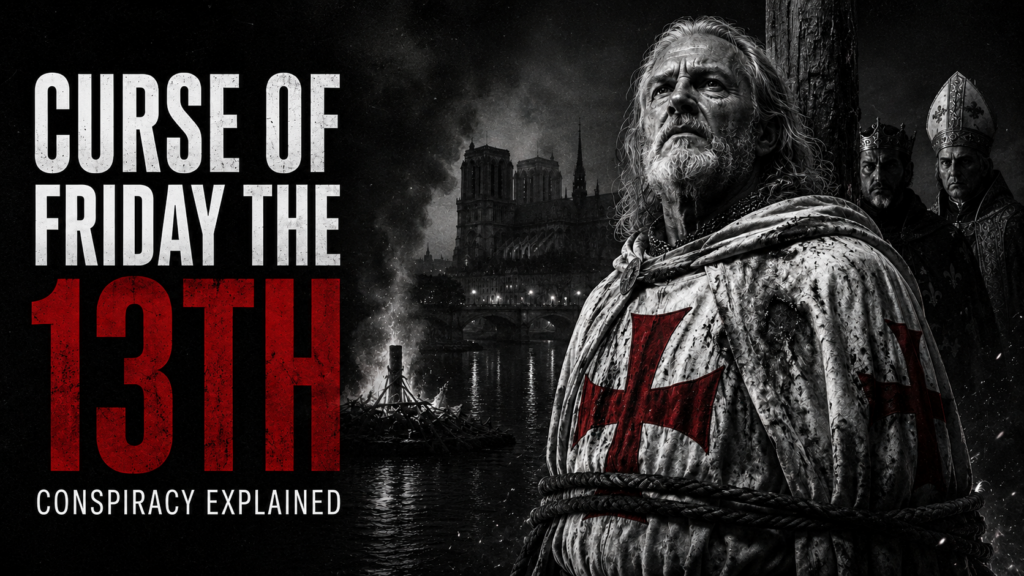 On the real destruction of the Templars, the dying curse of their Grand Master, and why the superstition we blame on them is six hundred years too young. Why are we afraid of Friday the 13th? Millions of people are. Buildings skip the thirteenth floor. People avoid flying, signing contracts, marrying on that day. And… Weiterlesen: DOOMED ON FRIDAY THE 13TH — THE SECRET FALL OF THE KNIGHTS TEMPLAR
Grundlegende Informationen rund um das Thema ”Dystopie”
TOP 30 deutschsprachige Bücher
dystopien.de versteht dystopische Werke nicht als Weltuntergangsfantasien, sondern als kulturelle Seismografen.
Sie zeigen Spannungen, Ängste und Entwicklungen – oft früher als politische Debatten.
Dieses Magazin ordnet ein, kommentiert und lädt zur Reflexion ein.
YouTube hat uns einen Musik-Kanal eingerichtet